
Authored by Levi C. Webb
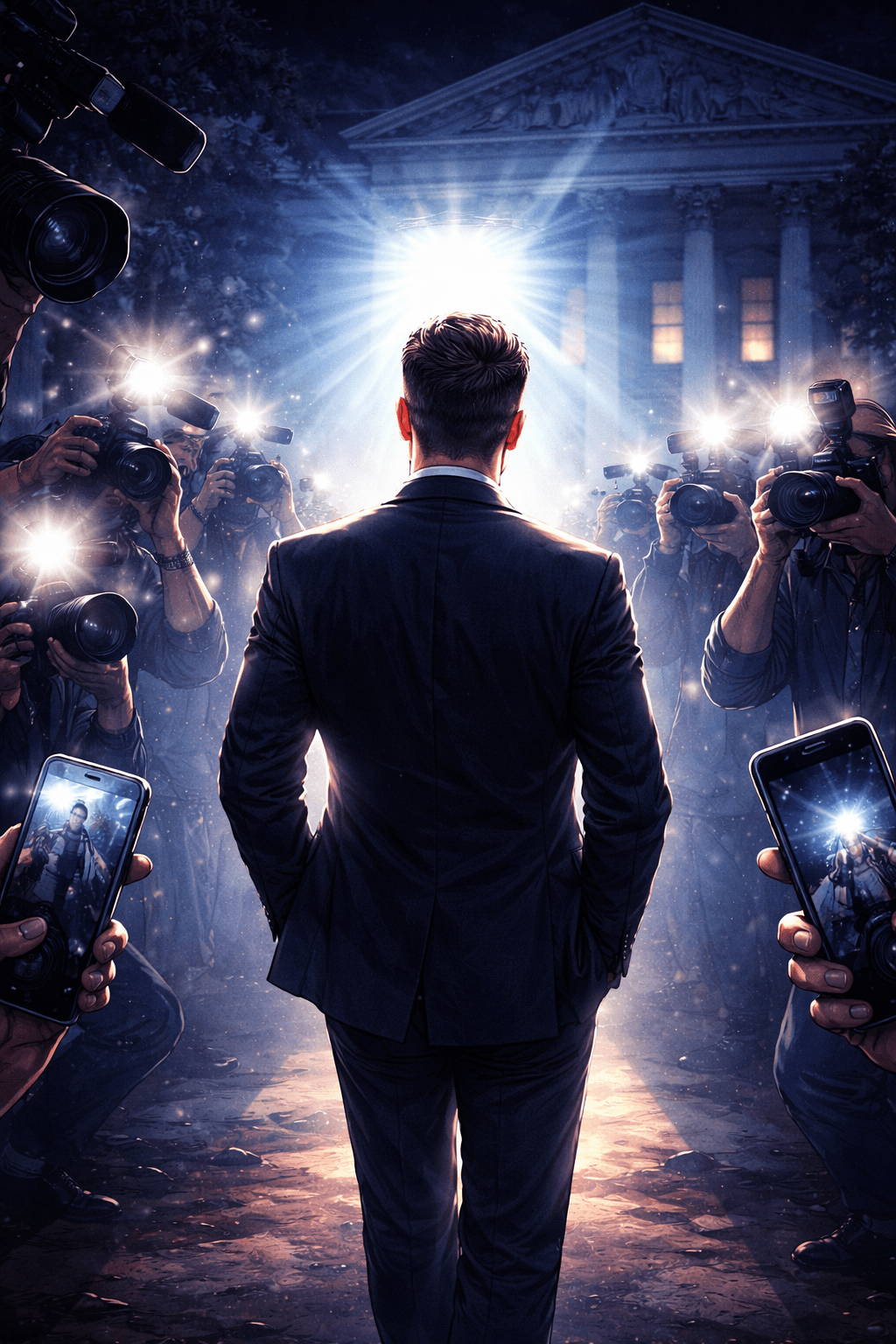
Recent legal incidents involving high-profile celebrities are highlighting growing tension between public exposure and the right to due process in the digital age.
As video footage and rapid online dissemination increasingly shape public perception, individuals involved in legal cases are often judged long before formal proceedings take place in court.
The recent DUI charge involving Justin Timberlake has drawn widespread attention after police body camera footage of the incident circulated online. While the case has not yet been resolved in court, the availability of video evidence has allowed the public to form immediate opinions about the situation. This dynamic places additional pressure on the legal process, as public narratives can develop independently of formal judicial outcomes.
The expansion of digital platforms has changed how legal incidents are consumed, particularly when they involve public figures. What was once limited to written reports or delayed coverage is now often presented in real time, with video clips and commentary shaping the narrative within hours. This shift has increased the visibility of routine legal processes while also reducing the distinction between allegation and outcome in the eyes of the public.
Similar patterns have emerged in other recent cases involving celebrities. A widely circulated incident involving a public figure on a motorcycle and a confrontation with a neighbor gained attention through online video, prompting immediate reactions despite limited context. In another case, a high-profile individual facing a DUI allegation reportedly tested negative on a breathalyzer but declined additional testing, an action that carries legal implications but does not determine guilt on its own. These situations demonstrate how incomplete information can still generate strong public conclusions.
Legal experts have long emphasized that due process is designed to protect individuals until all evidence is presented and evaluated in court. However, the speed and scale of modern media exposure can create parallel judgments that influence reputations, careers, and personal relationships before any legal determination is made. For public figures, this effect is amplified by the scale of their visibility and the intensity of public interest.
The personal consequences of such exposure can extend beyond legal outcomes. Family dynamics, professional opportunities, and long-term reputation may all be affected by public perception formed during the early stages of a case. Even if legal proceedings ultimately result in reduced charges or dismissal, the initial wave of coverage can leave lasting impressions that are difficult to reverse.
At the same time, public access to information is often seen as a form of accountability, particularly in cases involving influential individuals. The challenge lies in balancing transparency with fairness, ensuring that exposure does not undermine the legal protections that apply to all individuals regardless of status.
The increasing overlap between legal proceedings and public consumption reflects a broader shift in how information is shared and interpreted. As digital platforms continue to accelerate the spread of content, the tension between visibility and due process is likely to remain a defining issue in high-profile legal cases.
- • • • •
Reporting and writing by Levi C. Webb. AI tools were used selectively to assist with research and editorial support.
© 2026 Fat Wagner LLC. All rights reserved.



 Fat Wagner
Leave a comment