
Authored by Levi C. Webb
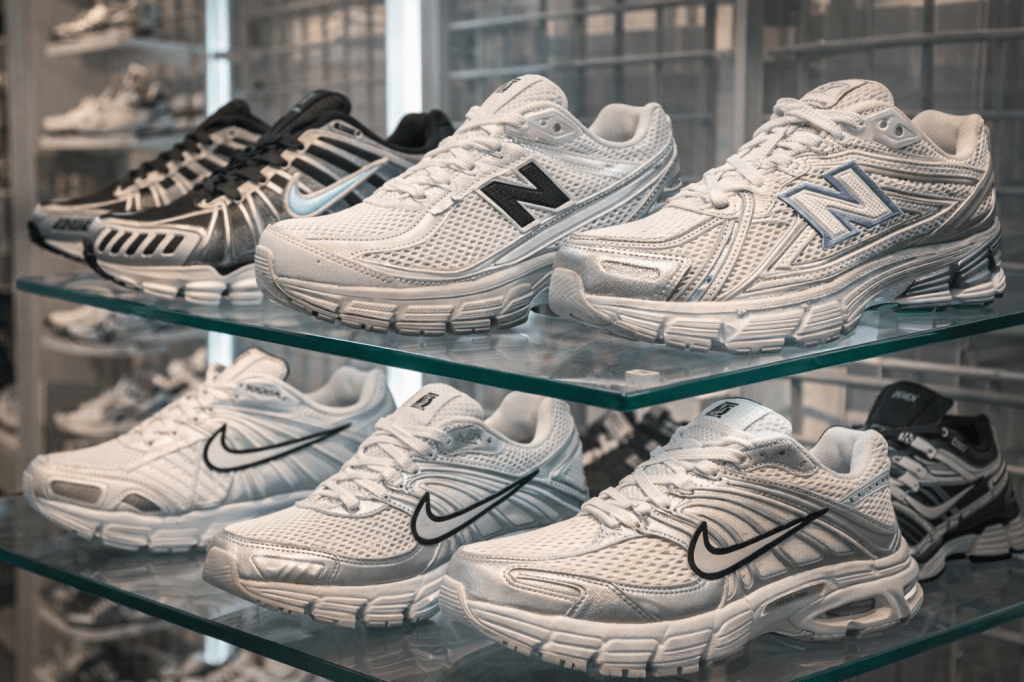
Walk into almost any sneaker shop right now and it feels like someone quietly unlocked a warehouse that hasn’t been touched since the late 1990s.
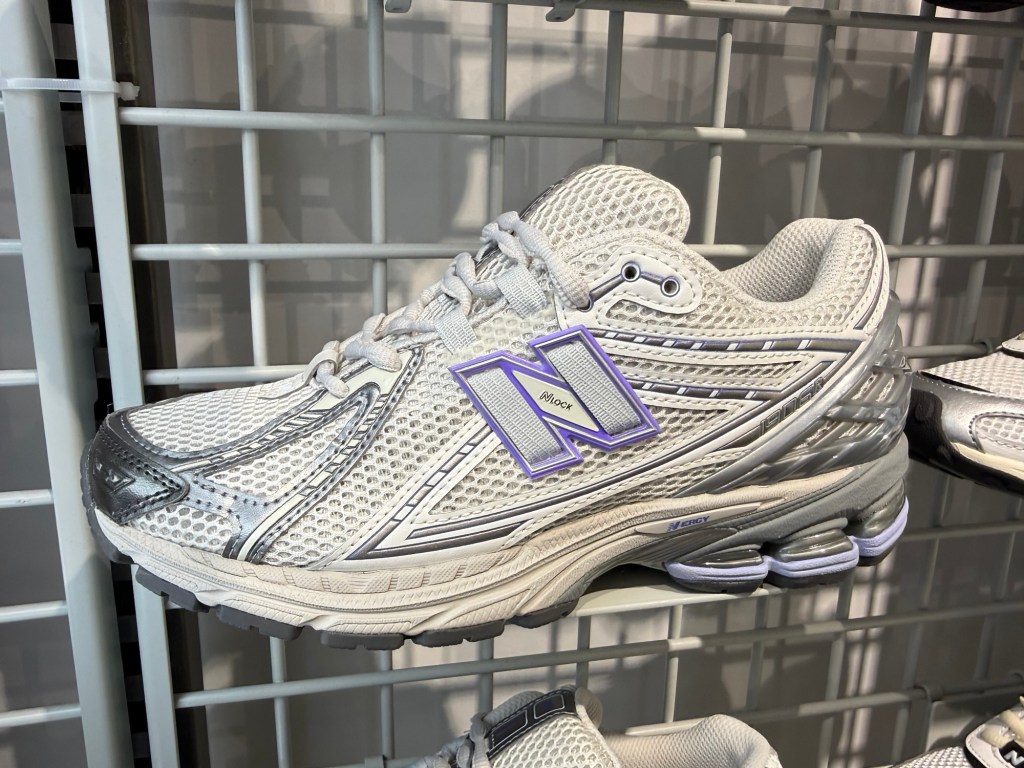
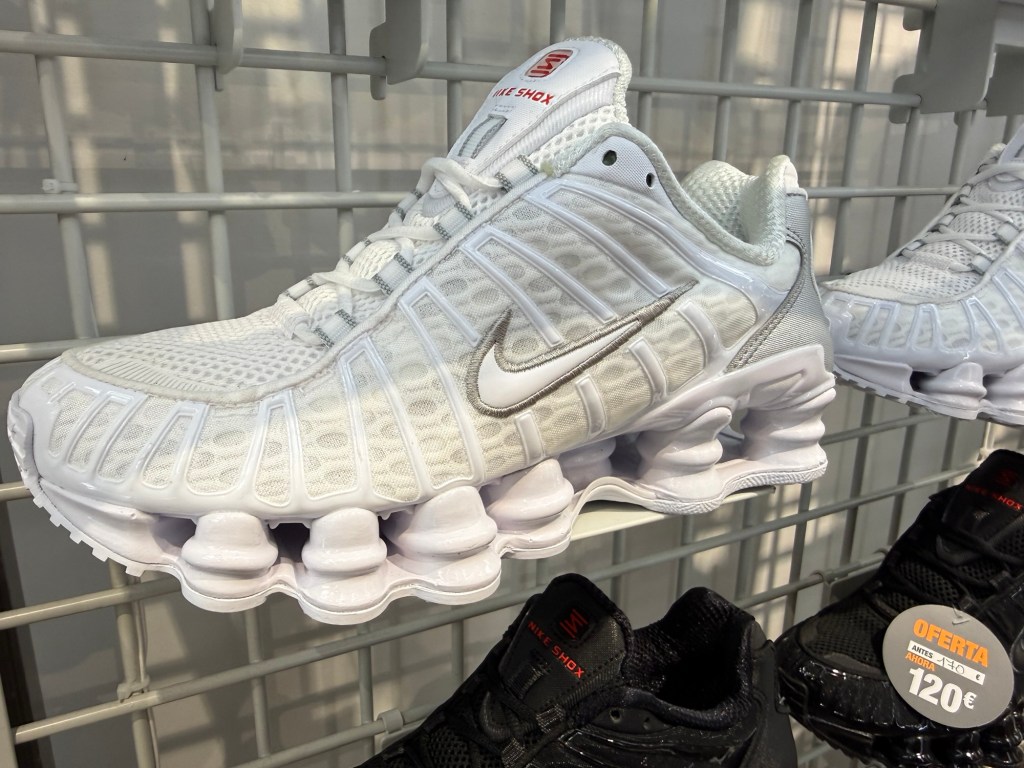
The silhouettes are unmistakable. Thick midsoles. Overbuilt mesh uppers. Metallic overlays. Aggressive paneling that looks more engineered than styled. These are not modern reinterpretations trying to be subtle. They look like they were pulled straight out of a box marked “1998 performance running” and dropped back onto shelves without apology.
Brands like Nike and New Balance are not just leaning into nostalgia. They are fully committing to it.
Models resembling early Nike Shox designs, Vomero-era runners, and technical cross trainers are showing up in clean whites, chrome silvers, and heavy black contrasts. New Balance is doing the same with silhouettes like the 509 and similar mesh-heavy runners that feel more orthopedic than fashionable at first glance. But that is exactly the point.
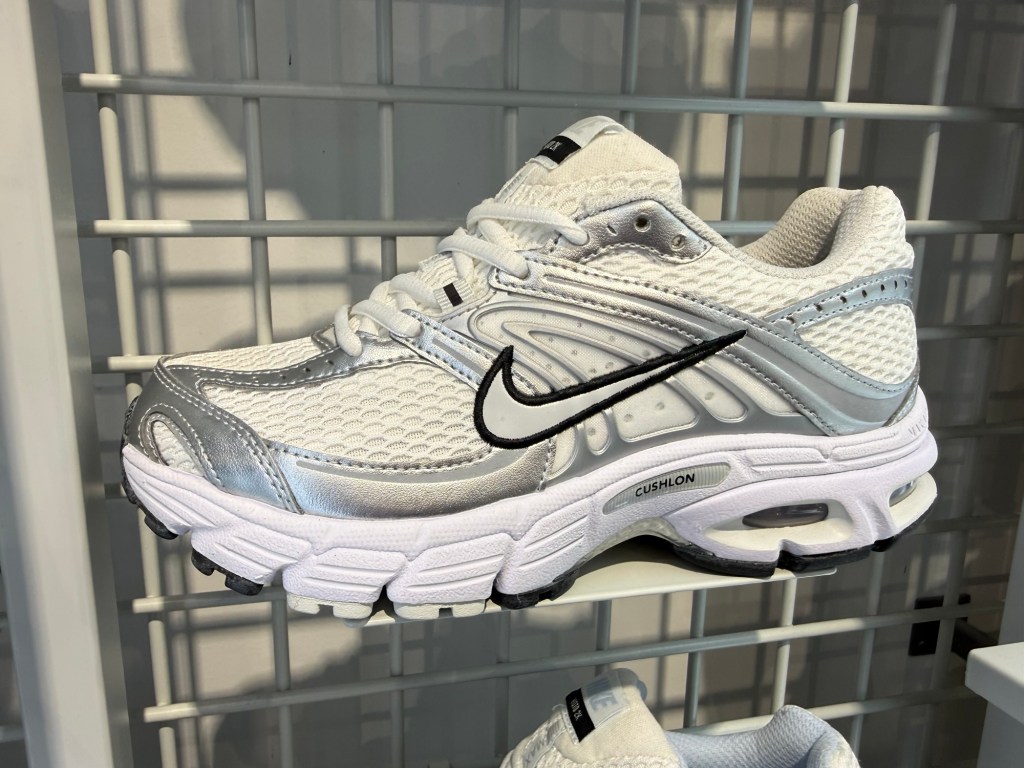
For years, sneaker culture chased minimalism. Clean lines. Lightweight foam. Neutral tones. Shoes that blended into outfits instead of dominating them. That era is clearly losing ground.
What is replacing it is something louder, more physical, and almost defiant in its design language.
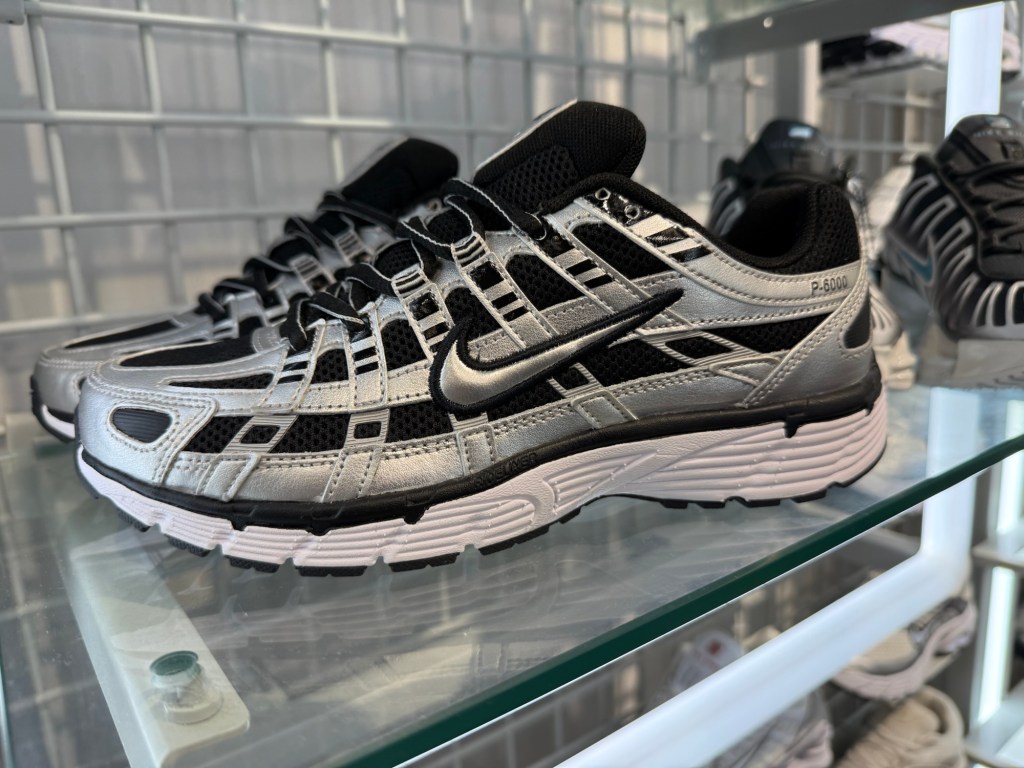
These shoes are not trying to look sleek. They look engineered, layered, and slightly excessive. The exposed structures, oversized soles, and visible support elements create a kind of visual honesty. They look like they were built for function first, even if they are now worn almost entirely for style.
That shift matters.
Consumers are moving away from the polished, lifestyle-driven sneaker aesthetic and toward something that feels more raw and technical. There is a growing appeal in footwear that looks like it belongs in a gym from 25 years ago rather than a curated Instagram feed.
Part of that appeal is generational. Younger buyers are discovering these designs for the first time, seeing them as new and different. Older buyers recognize them immediately, often with a mix of nostalgia and disbelief that they are back at full retail price.
But nostalgia alone does not explain the scale of the comeback.
There is also a broader shift in how people define style. The current cycle favors contrast and statement over subtlety. Bulky runners do not disappear into an outfit. They anchor it. The shoe becomes the centerpiece rather than an accessory.
At the same time, the construction itself offers something modern sneakers have quietly lost: perceived durability.
These shoes look like they can take abuse. Thick rubber outsoles, layered uppers, reinforced structures. Whether or not they actually perform better is almost irrelevant. They look tougher, and that perception carries weight with buyers who are tired of lightweight shoes wearing out quickly.
Retailers are responding accordingly. What used to sit on discount racks is now front and center on display walls, often priced well above what similar models would have sold for just a few years ago.
That pricing shift signals something important. This is not a short-term throwback trend. It is a repositioning of what counts as desirable.
The irony is hard to ignore.
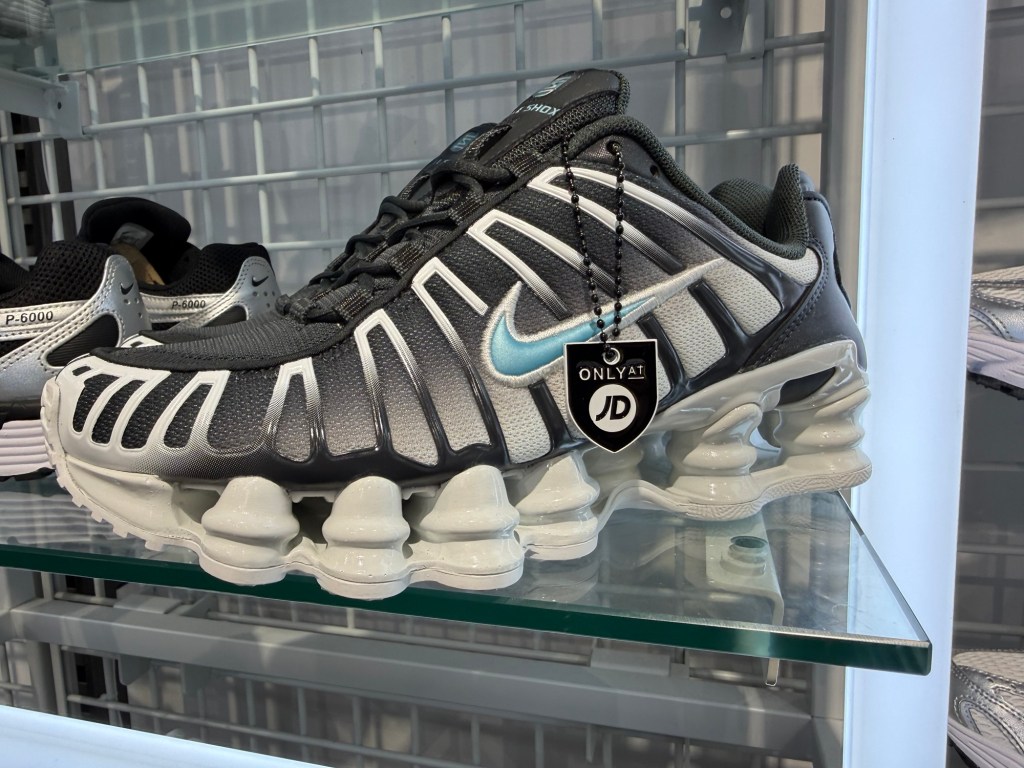
The same designs that were once seen as overly technical, bulky, and even unattractive are now being reframed as authentic and expressive. What was once outdated is now intentional. What was once clunky is now confident.
And the pipeline is already expanding.
As more archived models are pulled from brand catalogs and reintroduced, the line between performance history and streetwear continues to blur. Consumers are no longer just buying shoes. They are buying a piece of a design era that feels more tangible than what replaced it.
If this trend continues, the industry may not be moving forward in the way it once defined progress.
It may be circling back, opening old boxes, and realizing that what was left behind still has more to say.
- • • • •
Reporting and writing by Levi C. Webb. AI tools were used selectively to assist with research and editorial support.
© 2026 Fat Wagner LLC. All rights reserved.



 Fat Wagner
Leave a comment