
Authored by Levi C. Webb
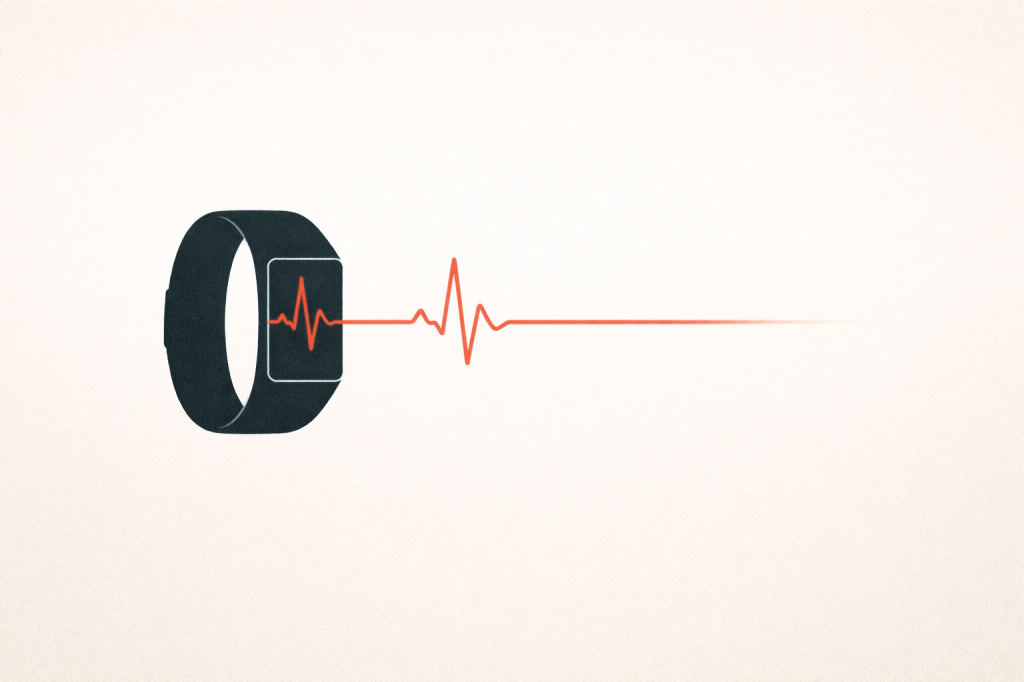
Wearable health devices are increasingly being used to monitor vital signs continuously, offering early indicators of medical conditions and shifting how individuals manage personal health.
Consumer and medical-grade wearable devices are expanding their capabilities, allowing users and clinicians to track health data in real time and identify potential issues earlier than traditional methods.
Wearable health technology has moved beyond simple fitness tracking, with modern devices now capable of monitoring heart rate variability, blood oxygen levels, sleep patterns, and other physiological signals. These devices collect data continuously, creating a more comprehensive picture of an individual’s health over time rather than relying on occasional clinical measurements. This shift is enabling earlier detection of irregularities that may signal underlying conditions.
One of the most significant developments is the ability of wearables to identify patterns that precede noticeable symptoms. Subtle changes in heart rhythm, respiration, or activity levels can indicate the early stages of illness. In some cases, these signals have been used to detect infections or cardiovascular issues before users seek medical attention, allowing for earlier intervention and improved outcomes.
Healthcare providers are beginning to integrate wearable data into clinical decision-making. Remote monitoring programs use patient-generated data to track recovery, manage chronic conditions, and reduce the need for frequent in-person visits. This approach is particularly useful for patients with conditions that require ongoing observation, such as heart disease or respiratory disorders.
Advances in sensor accuracy and data processing are improving the reliability of these devices. Newer models incorporate more precise measurement technologies and algorithms designed to filter noise and identify meaningful trends. As a result, the data generated is becoming more actionable for both users and healthcare professionals.
Privacy and data management remain key considerations as wearable adoption grows. The continuous collection of personal health information raises questions about how data is stored, shared, and protected. Regulatory frameworks and industry standards are evolving to address these concerns while supporting innovation in digital health technologies.
The expansion of wearable health devices reflects a broader shift toward proactive and personalized healthcare. By enabling continuous monitoring and early detection, these tools are changing how individuals engage with their health and how care is delivered across medical systems.
- • • • •
Reporting and writing by Levi C. Webb. AI tools were used selectively to assist with research and editorial support.
© 2026 Fat Wagner LLC. All rights reserved.

 Fat Wagner
Leave a comment