
Authored by Levi C. Webb
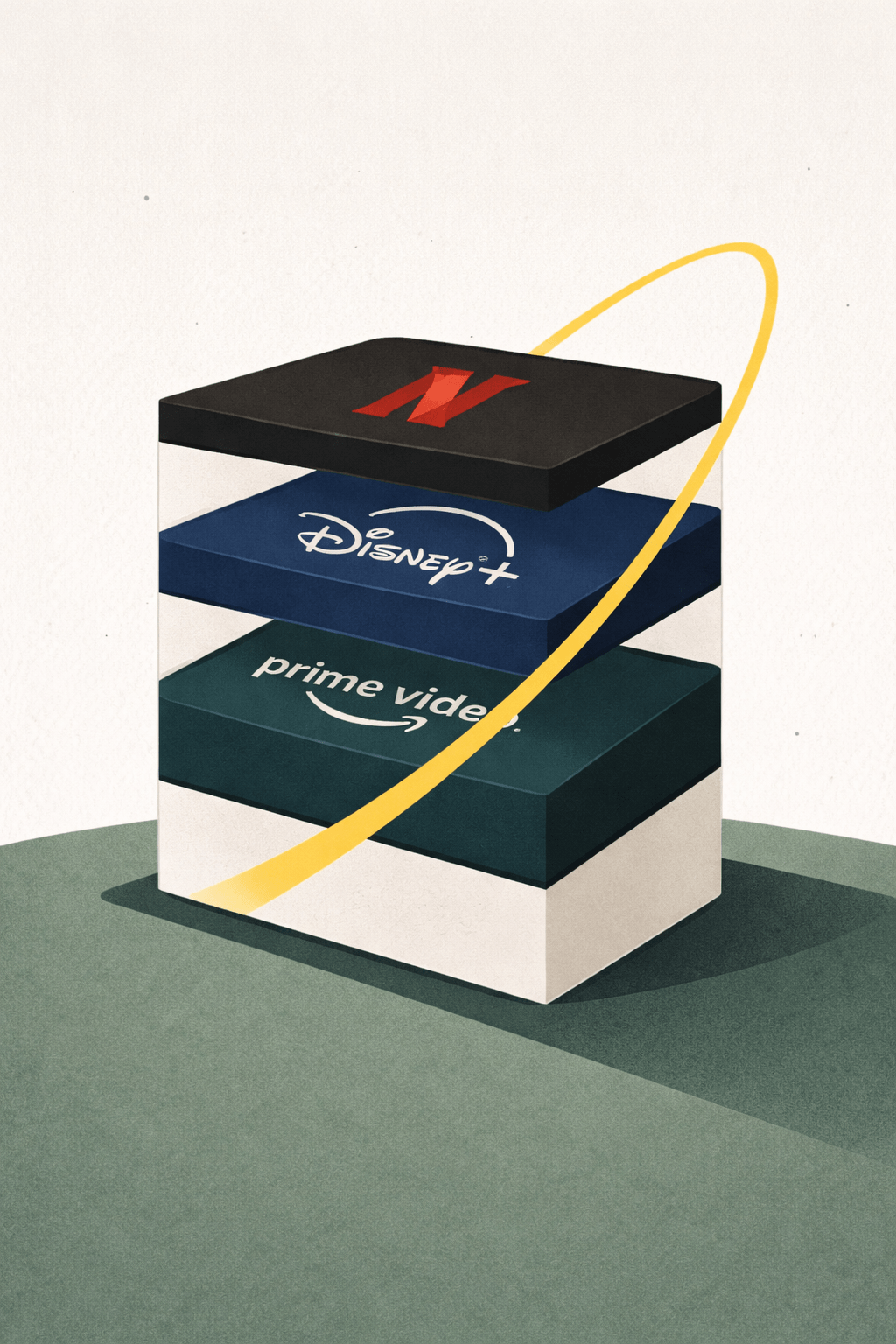
Streaming platforms are accelerating bundled subscription offerings, combining major services like Disney+, Hulu, Max, Apple TV+, and Peacock into unified packages as competition intensifies across the industry.
The streaming market is shifting toward aggregation, with companies packaging multiple premium services together in an effort to retain subscribers and increase perceived value.
One of the most aggressive moves comes from Disney’s expanded bundle strategy, which now combines Disney+, Hulu, and Max into a single offering. This package brings together three of the largest content ecosystems in streaming—Disney’s franchise-driven catalog, Hulu’s network and next-day television library, and Max’s premium HBO and Warner Bros. content. Pricing tiers vary depending on ad-supported or ad-free options, but the bundle is positioned as a cost-saving alternative to subscribing to each service individually.
Apple has also entered the bundling space more directly through partnerships, including a package that combines Apple TV+ with Peacock. The bundle is currently offered in tiers starting around $14.99 per month for Peacock Premium with ads and Apple TV+, with a higher-priced option that includes Peacock Premium Plus without ads. This pairing merges Apple’s growing original content slate with NBCUniversal’s live sports, news, and extensive television catalog, creating a cross-platform experience that blends prestige streaming with traditional broadcast-style programming.
Peacock itself continues to anchor its value proposition around live and legacy content, including NBC programming, Bravo series, and live sports such as Premier League soccer and WWE events. Its inclusion in bundles reflects a broader trend of integrating live programming into streaming packages, something that has become increasingly important as platforms compete for viewer attention beyond on-demand content.
Amazon Prime Video remains one of the most expansive bundled ecosystems, combining video streaming with broader Prime membership benefits such as shipping, music, and gaming. It also allows users to layer additional subscriptions through its Channels marketplace, effectively turning Prime Video into a central hub for multiple streaming services. This approach differs from fixed bundles by giving users modular control over their subscriptions while still operating within a unified interface.
Netflix, while not directly participating in third-party bundles at the same level, continues to evolve its strategy through ad-supported tiers and live programming initiatives. The platform has signaled increased interest in event-based content and partnerships, suggesting that future bundling or integration models may still emerge as competitive pressures increase.
The expansion of these bundled offerings reflects a fundamental shift in how streaming services define value. Rather than competing solely on exclusive content, platforms are now competing on convenience, pricing efficiency, and the ability to deliver a comprehensive entertainment package. For consumers, this means fewer standalone subscriptions but more layered ecosystems that combine multiple services into a single monthly decision.
As these bundles continue to evolve, the streaming landscape is beginning to resemble a restructured version of traditional cable—only with more flexibility, more personalization, and significantly more competition driving innovation.
- • • • •
Reporting and writing by Levi C. Webb. AI tools were used selectively to assist with research and editorial support.
© 2026 Fat Wagner LLC. All rights reserved.


 Fat Wagner
Leave a comment