
Authored by Levi C. Webb
Major game publishers are expanding subscription-based access to full game catalogs as recurring revenue models reshape how players purchase and engage with content.
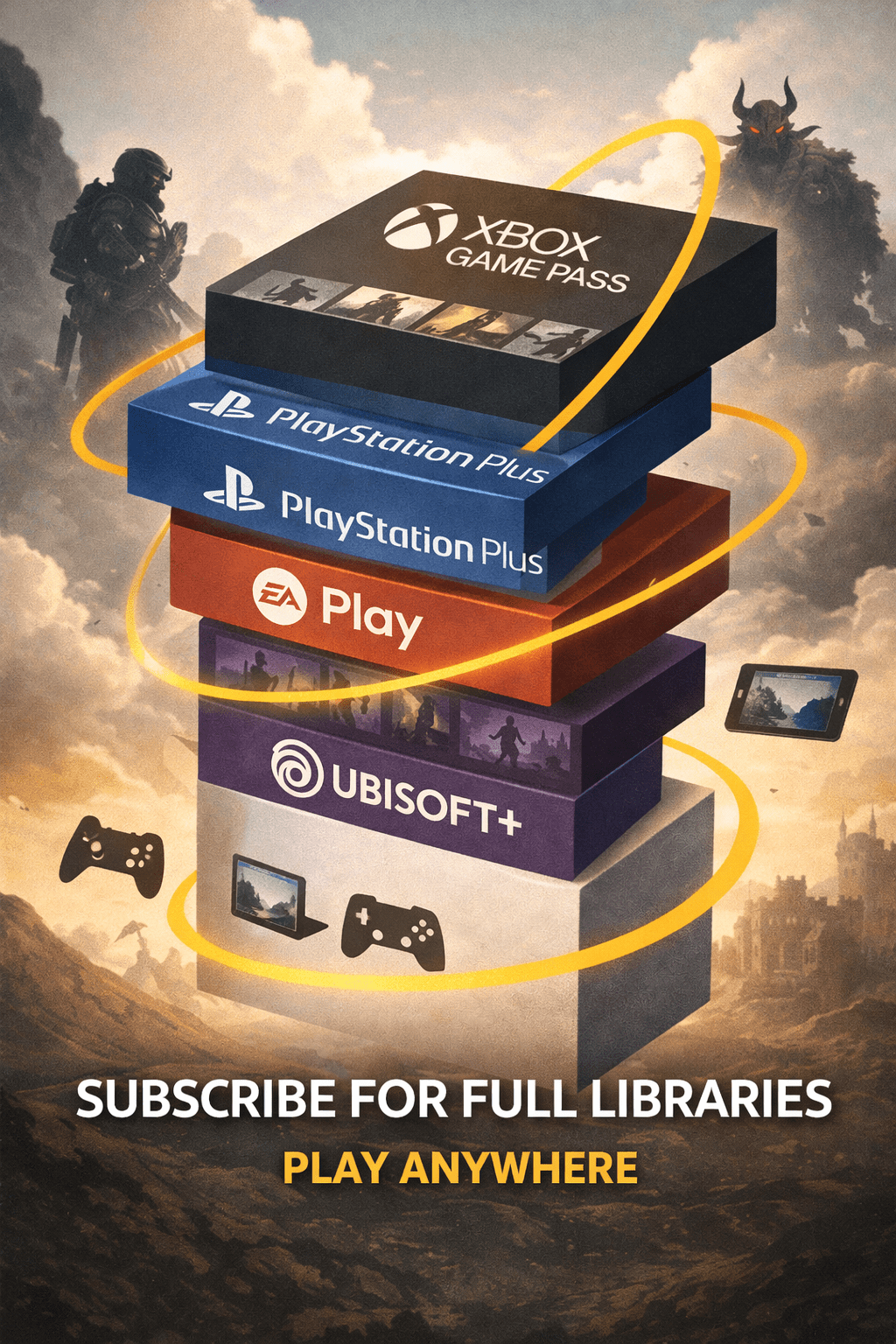
Game subscription services have moved from a secondary offering to a primary business strategy, with companies prioritizing long-term engagement over individual game sales. Platforms like Xbox Game Pass, PlayStation Plus, and EA Play now provide access to large libraries of titles for a monthly fee, shifting consumer behavior toward continuous access rather than one-time purchases.
Microsoft continues to position Xbox Game Pass as a central pillar of its gaming ecosystem by launching first-party titles directly into the service on release day. This approach reduces reliance on upfront game purchases and instead focuses on maintaining a steady subscriber base. The model also allows smaller titles to reach larger audiences immediately, increasing exposure while spreading revenue over time through subscriptions.
Sony has expanded its PlayStation Plus tiers to compete more directly in this space, offering rotating game libraries, classic titles, and cloud streaming capabilities. The company has maintained a more selective approach to adding new releases compared to Microsoft, reflecting a balance between preserving premium pricing for flagship titles and growing its subscription offering.
Electronic Arts continues to integrate EA Play into broader platforms, including bundling it with Xbox Game Pass. This integration highlights how publishers are leveraging partnerships to expand reach while reducing friction for players who want access to multiple ecosystems without managing separate subscriptions.
Ubisoft has also leaned into subscription access through Ubisoft+, providing full access to its game catalog, including premium editions of major releases. The service reflects a broader industry trend toward offering complete access packages rather than segmented content, aiming to increase perceived value while encouraging long-term retention.
Cloud gaming remains a supporting factor in this shift, enabling players to access subscription libraries across devices without dedicated hardware. While adoption continues to develop, the ability to stream games directly reinforces the subscription model by removing barriers to entry and expanding where and how games can be played.
This transition toward subscription-driven gaming reflects a wider change in digital consumption patterns, aligning the industry more closely with streaming media. As companies continue to refine pricing, content rotation, and platform integration, subscription access is increasingly becoming the default way players interact with games.
- • • • •
Reporting and writing by Levi C. Webb. AI tools were used selectively to assist with research and editorial support.
© 2026 Fat Wagner LLC. All rights reserved.


 Fat Wagner
Leave a comment