
Authored by Levi C. Webb
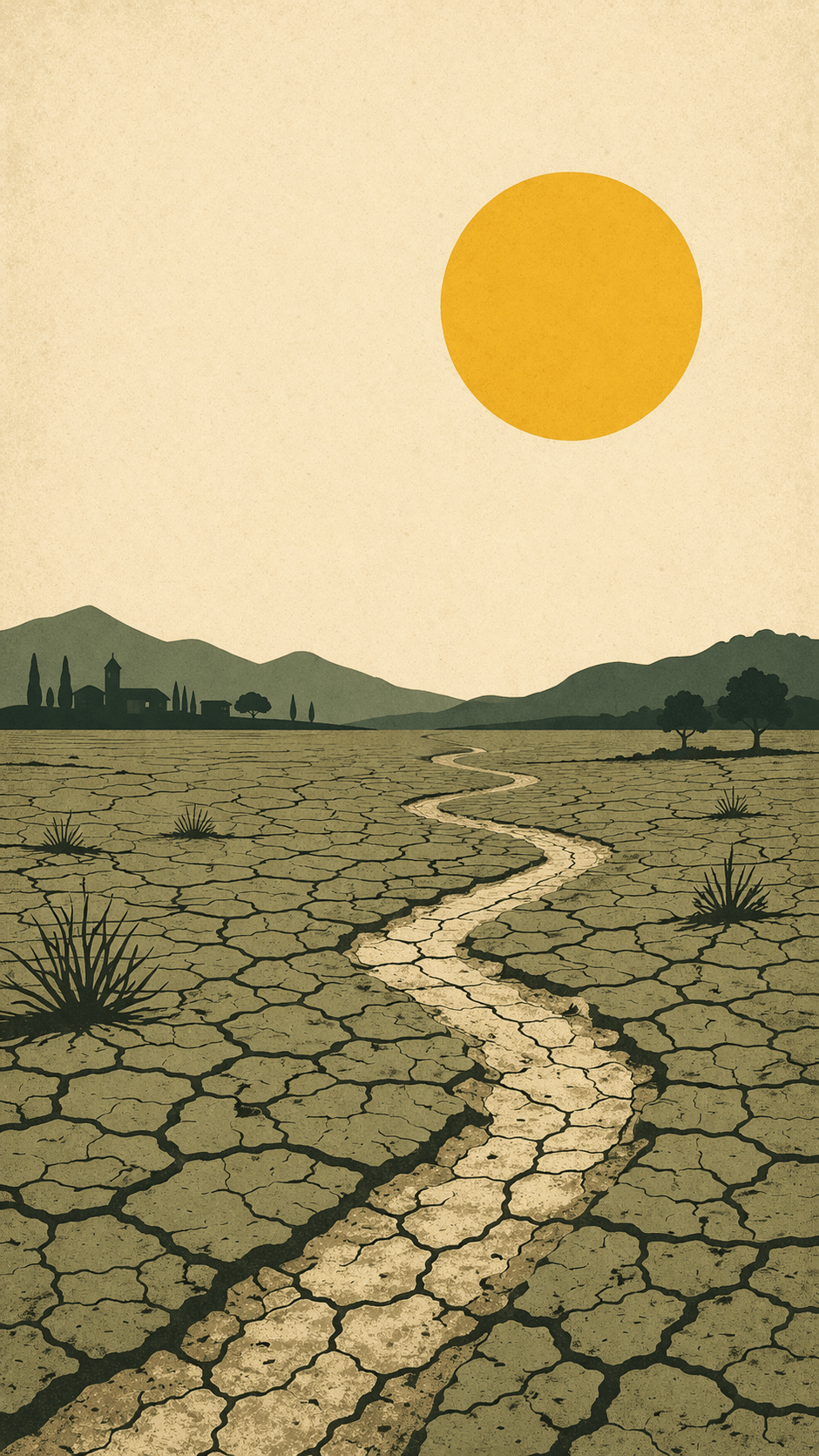
Warmer-than-average temperatures and below-normal rainfall across Southern Europe are raising early concerns about drought conditions heading into summer.
An unseasonably warm and dry start to spring across parts of Spain, Italy, and southern France is prompting renewed attention to water supply risks ahead of the peak summer season.
Meteorological agencies across Southern Europe have reported consistent temperature anomalies above seasonal norms during recent weeks, with several regions experiencing reduced precipitation compared to historical averages. These conditions have limited soil moisture recovery following winter, a period typically relied upon to replenish reservoirs and groundwater systems. The pattern has been especially noticeable in agricultural zones that depend heavily on predictable seasonal rainfall.
Hydrological data indicates that reservoir levels in parts of Spain remain below long-term averages despite modest winter inflows. Water management authorities are increasingly monitoring usage rates as irrigation demand begins to rise earlier than usual. In Italy, regional officials have also noted declining river levels in key agricultural basins, raising concerns about water allocation if dry conditions persist into late spring.
Weather models suggest that the current pattern is being influenced by persistent high-pressure systems over the western Mediterranean, which are suppressing cloud formation and limiting storm activity. These systems tend to stabilize atmospheric conditions, resulting in prolonged dry spells and elevated daytime temperatures. While such patterns are not unusual individually, their early-season timing increases the potential for cumulative impacts.
Agricultural sectors are already adjusting expectations for the growing season, with some producers preparing for reduced yields or increased irrigation costs. Crops that rely on consistent spring rainfall, including cereals and certain fruits, are particularly sensitive to early moisture deficits. Farmers in affected regions have begun implementing conservation strategies, though long-term outcomes will depend on weather developments in the coming weeks.
Energy demand is also being affected as warmer temperatures arrive earlier than expected. Increased use of cooling systems, even in early spring, can place additional strain on regional power grids, particularly in areas already managing fluctuating renewable energy inputs. This dynamic adds another layer of complexity to infrastructure planning as seasonal patterns shift.
Meteorologists emphasize that conditions remain subject to change, with potential for late-season rainfall events to partially offset early deficits. However, the current trajectory highlights a broader trend of increasing variability in European weather patterns, where traditional seasonal expectations are becoming less reliable.
The situation continues to evolve, but the combination of early heat and limited rainfall underscores the importance of monitoring water resources closely as Southern Europe moves toward the high-demand summer months.
- • • • •
Reporting and writing by Levi C. Webb. AI tools were used selectively to assist with research and editorial support.
© 2026 Fat Wagner LLC. All rights reserved.



 Fat Wagner
Leave a comment