
Authored by Levi C. Webb
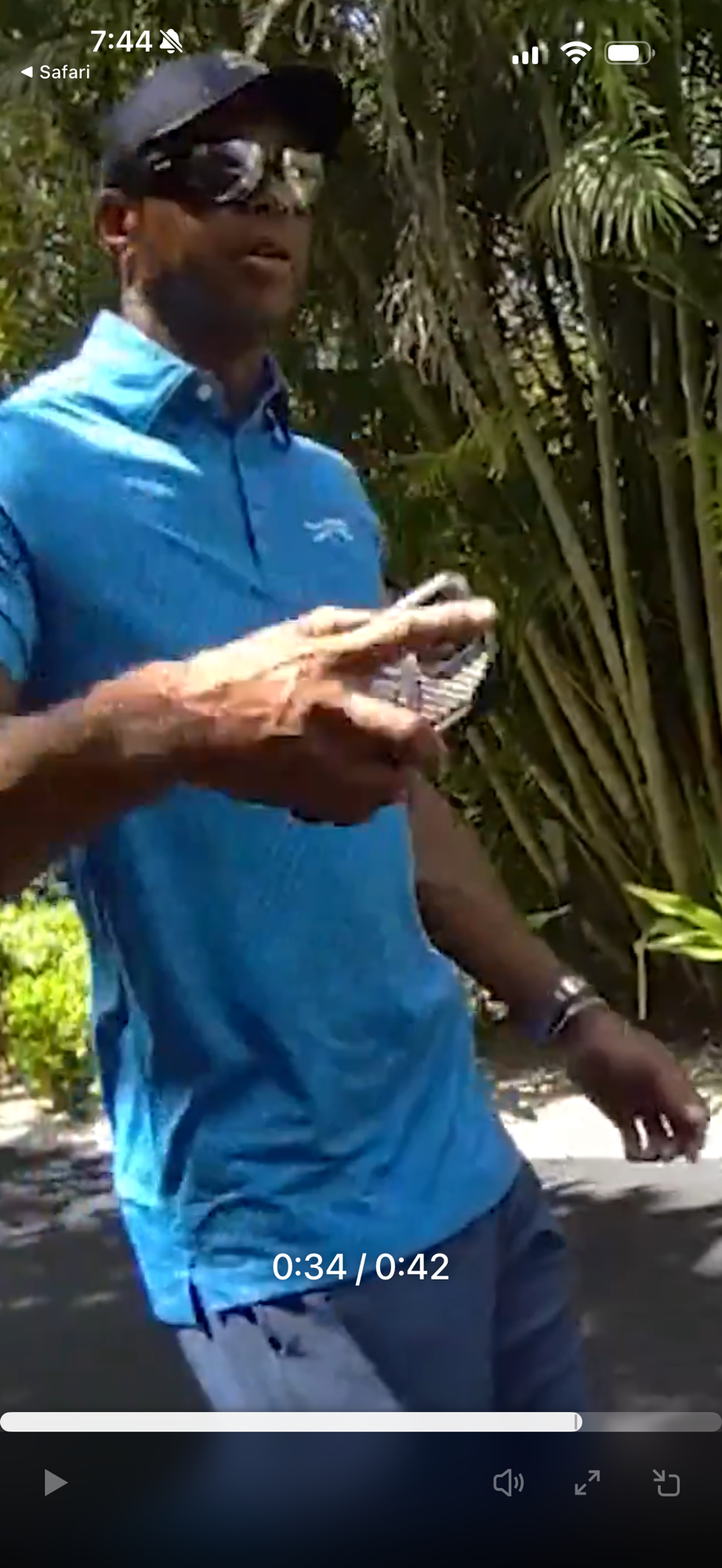
Tiger Woods briefly left officers during a DUI-related stop and later said he had been on the phone with former President Donald Trump.
During a recent DUI-related traffic stop in Florida, Tiger Woods walked away from officers before returning and stating he had taken a phone call with Donald Trump.
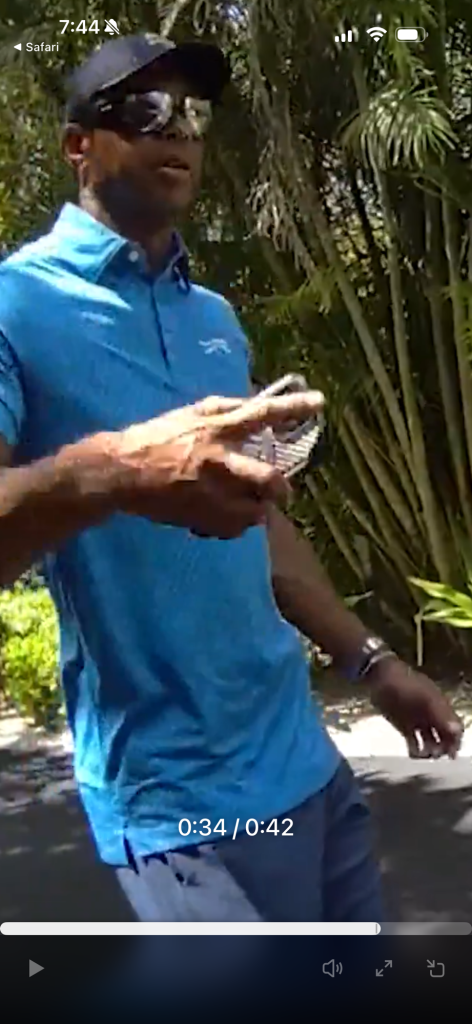
Authorities reported that Woods exited the immediate area of the stop while officers were engaged in their investigation, creating a moment of uncertainty about his compliance. According to accounts of the incident, Woods returned shortly afterward and told officers he had stepped away to take a phone call, later identifying Trump as the person on the line. The interaction has drawn attention due to both the circumstances of the stop and Woods’ decision to leave the scene, even briefly.
Law enforcement procedures during DUI stops typically require individuals to remain within sight and control of officers to ensure safety and preserve the integrity of the investigation. Departing, even momentarily, can raise additional concerns about cooperation and may influence how officers proceed with field sobriety assessments or questioning. It remains unclear whether Woods’ actions resulted in additional charges beyond the DUI allegation itself.
Woods has pleaded not guilty to the DUI charge and stated publicly that he intends to step away from golf to focus on his health and personal recovery. His statement emphasized the need to address underlying issues and return to competition only when he is in a more stable condition. This marks another interruption in a career that has already been shaped by multiple injuries and off-course challenges.
The mention of Trump during the stop has added a political dimension to the incident, given the two have interacted publicly in the past. Woods was awarded the Presidential Medal of Freedom by Trump in 2019, one of the highest civilian honors in the United States, recognizing his achievements in golf and his broader cultural impact. That prior connection has amplified attention around Woods’ claim during the encounter.
Officials have not publicly confirmed any involvement or communication from Trump related to the incident itself. Without independent verification, the statement remains part of Woods’ account during the stop rather than a substantiated element of the case. Investigations into DUI incidents typically rely on physical evidence, officer observations, and testing results rather than external communications.
The case continues to develop as legal proceedings move forward, with Woods’ status in the sport and public profile ensuring sustained scrutiny. His decision to step away from competition shifts focus from performance to accountability, while the details of the stop are likely to remain central as the case progresses through the legal system.
- • • • •
Reporting and writing by Levi C. Webb. AI tools were used selectively to assist with research and editorial support.
© 2026 Fat Wagner LLC. All rights reserved.


 Fat Wagner
Leave a comment