
Authored by Levi C. Webb
France is advancing a government-wide effort to reduce reliance on non-European technology providers, including a transition toward open source software and Linux-based systems.
France is formalizing a coordinated push to replace foreign-controlled digital infrastructure with European and open source alternatives, targeting operating systems, collaboration tools, and data platforms across ministries.
The French government confirmed April 8 that it is accelerating efforts to reduce dependence on non-European digital technologies through a coordinated interministerial strategy led by the Interministerial Directorate of Digital (DINUM). The initiative brings together multiple agencies, including the National Agency for the Security of Information Systems and the Directorate of State Procurement, to align procurement, infrastructure, and software decisions around sovereignty objectives.
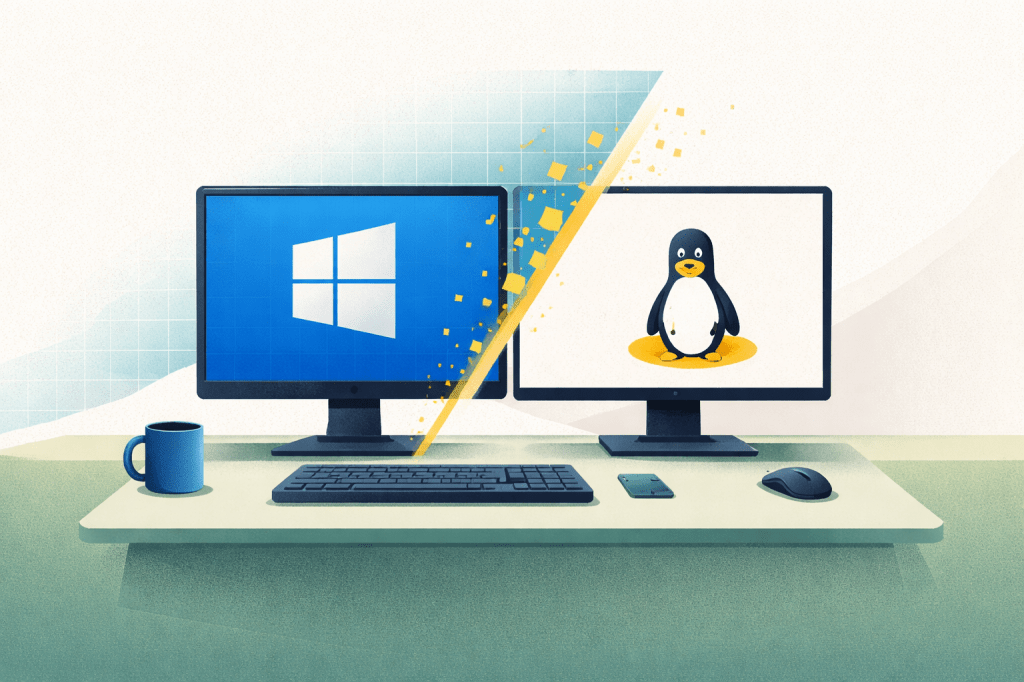
A central element of the strategy involves moving government workstations away from proprietary systems such as Microsoft Windows and toward Linux-based environments. Officials indicated that future workstation environments will prioritize Linux operating systems, which offer greater control over code, security auditing, and customization. While no single distribution has been formally mandated across all agencies, several Linux variants are already in use or under evaluation within French public sector environments.
Among the most established deployments is GendBuntu, a hardened Ubuntu-based distribution used by the French Gendarmerie for years. This system was developed to meet strict security requirements while reducing licensing costs and reliance on external vendors. Other public entities have explored or implemented distributions such as Debian and Ubuntu derivatives due to their stability, long-term support cycles, and strong European developer communities.
At the municipal level, cities including Lyon and Grenoble have adopted or tested open source platforms tied to Linux ecosystems. Some deployments have incorporated distributions like Zorin OS, which is designed to ease transitions from Windows environments by maintaining familiar user interfaces. These localized efforts reflect a broader pattern of gradual migration rather than a single nationwide switch.
The transition extends beyond operating systems into a wider ecosystem of sovereign tools. France is promoting alternatives such as Tchap for secure messaging, Visio for video conferencing, and FranceTransfer for document exchange. The national health insurance system has also begun migrating tens of thousands of users to these platforms, signaling large-scale operational adoption rather than pilot testing.
Government planning documents outline additional focus areas including databases, virtualization platforms, antivirus systems, and artificial intelligence tools. Each ministry is required to produce its own roadmap by the fall, identifying specific dependencies and outlining steps to replace or mitigate them. These plans are expected to provide visibility to European technology providers seeking to compete for public sector contracts.
Officials emphasize that the effort is not an immediate replacement of all foreign technology but a phased reduction of dependencies over time. The approach prioritizes interoperability standards and digital commons initiatives such as Open-Interop and OpenBuro, which aim to ensure compatibility across systems while avoiding vendor lock-in.
French leadership has framed the initiative as a strategic necessity tied to control over data, infrastructure, and long-term technological decision-making. The policy aligns with broader European Union efforts to strengthen digital sovereignty, particularly in response to concerns about data governance, regulatory exposure, and supply chain resilience.
The outcome of this transition will depend on execution at the agency level, workforce adaptation, and the maturity of European alternatives. If sustained, the shift could reshape public sector IT procurement across Europe and influence how governments balance cost, control, and security in digital systems.
- • • • •
Reporting and writing by Levi C. Webb. AI tools were used selectively to assist with research and editorial support.
© 2026 Fat Wagner LLC. All rights reserved.



 Fat Wagner
Leave a comment